General Contracting Services Denver: What They Feature as well as Why They Issue
A construction project in Denver can look straightforward from the outside. A homeowner wants to finish a basement in Wash Park. A restaurant owner needs a tenant improvement in RiNo. A property manager has water damage in a multifamily building near Capitol Hill. A growing company wants to rework an office floor in the Tech Center. The goal seems simple enough: hire good trades, get the work done, pass inspection, move on.
Then the real project begins.
A plumber opens a wall and finds cast iron that should have been replaced years ago. The electrical panel does not have room for the new load. Lead-safe practices are needed in an older home. The city review takes longer than expected because the scope touches structural framing. A subcontractor is available Tuesday, but the inspection window lands Friday. Materials that were “in stock” are suddenly two weeks out. The owner changes a finish after rough-in, and that one decision affects cabinetry, tile, lighting, and schedule.
This is where professional general contracting services in Denver prove their value. A capable Denver general contractor does far more than “hire people.” The general contractor becomes the organizer, interpreter, risk manager, quality controller, schedule keeper, and practical problem-solver for the entire build. When that role is handled well, projects feel orderly even when the work itself is complex. When it is handled poorly, even a small remodel can become expensive, slow, and exhausting.
Denver is not a generic construction market. The climate, building stock, permitting environment, labor availability, soil conditions, energy requirements, and neighborhood expectations all shape how work should be planned and executed. That is why choosing among general contractors Denver property owners can trust is not just a purchasing decision. It is a decision about control, accountability, and long-term value.
What general contracting services actually include
General contracting is often misunderstood because much of the most important work happens before anyone swings a hammer. Good contracting begins with listening, site review, feasibility, budgeting, and sequencing. A general contractor looks at the owner’s goal and translates it into a buildable plan. That means identifying which trades are needed, what permits may apply, what order the work should follow, what materials must be selected early, and where the risk is hiding.
For a residential remodel, that might include demolition, framing, electrical, plumbing, HVAC, drywall, flooring, finish carpentry, paint, and final cleanup. For a commercial tenant improvement, it may include life-safety systems, accessibility requirements, mechanical upgrades, fire-rated assemblies, storefront work, specialized finishes, and coordination with the landlord’s building rules. For restoration or repair work, it may include documentation, moisture mitigation, selective demolition, reconstruction, and code-compliant replacement.
The phrase General Contracting Services Denver covers a wide range of project types, but the central responsibility stays the same: coordinate the work so the owner does not have to manage every trade, inspection, delivery, and field decision alone. A Denver General Contractor serves as the single point of accountability. If the electrician needs framing complete before rough-in, if the tile contractor needs the shower pan tested, if the inspector requires a correction, the general contractor is the person who keeps the chain moving.
The best general contractors also protect the owner from false simplicity. A kitchen remodel is not merely cabinets and countertops. It may involve venting, circuits, plumbing relocations, floor leveling, asbestos testing, appliance clearances, and cabinet lead times. A basement finish is not merely studs and drywall. It may involve egress, ceiling height, insulation, smoke and carbon monoxide alarms, combustion air, sump pump access, and moisture management. Experienced Denver Contractors see those details early enough to plan for them instead of reacting to them at the most expensive moment.
Why Denver projects need local construction judgment
Denver rewards preparation. The city has neighborhoods with century-old homes, mid-century ranches, new infill construction, converted warehouses, mountain-view commercial spaces, and mixed-use buildings with complicated access. A contractor who has worked across the metro area learns quickly that no two buildings behave the same.
Older homes in neighborhoods like Congress Park, Berkeley, Platt Park, and Sunnyside often contain surprises behind walls. Framing may not be square. Previous remodels may have been done without permits. Plumbing stacks may be near the end of their service life. Brick foundations, knob-and-tube remnants, undersized ducts, and uneven floors are not rare. These issues do not make a project impossible, but they do require field experience and honest budgeting.
Newer construction has its own challenges. Tight building envelopes, engineered systems, HOA requirements, modern mechanical equipment, and strict finish expectations demand coordination. Commercial spaces add another layer, especially when business interruption costs real money. A restaurant that misses its opening date by three weeks is not just annoyed. It may be paying rent, payroll, loan costs, and marketing expenses before a single customer walks in.
Colorado’s climate also matters. Freeze-thaw cycles affect exterior concrete, grading, drainage, masonry, and roofing details. Intense sun can punish exterior finishes. Sudden spring snow can disrupt deliveries and site access. Hail risk shapes roofing and exterior material choices. Dry air affects wood movement and flooring installation. Contractors in Colorado must build with these conditions in mind, not as an afterthought.
Permitting and inspection are another local reality. Denver’s review process can vary based on scope, zoning, historic considerations, structural changes, and trade permits. Surrounding municipalities have their own expectations. A Contractor Denver CO property owners hire should know how to ask the right questions early: Is this work in Denver proper or a nearby jurisdiction? Does the project trigger energy code requirements? Are stamped drawings needed? Is a right-of-way permit required for a dumpster or street impact? A missed permit issue can stall a job that otherwise looked ready to start.
The general contractor as project translator
Most owners do not speak construction language every day, and they should not have to. A strong general contractor translates between the owner’s priorities and the field’s practical demands. That translation is not cosmetic. It prevents mistakes.
An owner might say, “We want the basement to feel less like a basement.” A seasoned Denver General Contractor hears several possible needs inside that sentence: better lighting, warmer flooring, moisture control, sound isolation, ceiling strategy, HVAC comfort, code-compliant sleeping space if a bedroom is planned, and finishes that do not make the ceiling feel lower. The contractor’s job is to turn a feeling into a scope that can be priced, scheduled, permitted, and built.
A business owner might say, “We need this office to support twenty more people.” That may involve electrical capacity, data routing, conference room acoustics, egress paths, occupancy load, restroom adequacy, HVAC distribution, and furniture coordination. Good Denver Contractor Services identify those dependencies before construction begins.
This translation role is one of the main differences between hiring a general contractor and hiring separate trades directly. Trade contractors are essential, but each trade usually sees the project through its own lens. The electrician thinks about circuits and code. The plumber thinks about supply, waste, venting, and fixture placement. The drywall crew thinks about framing readiness and finish level. Someone must see the whole picture. That person should be the general contractor.
What a well-managed project feels like
A well-managed construction project is not free of problems. That standard is unrealistic. Buildings contain too many variables, and Denver’s renovation market has too many existing-condition surprises. The better measure is how quickly issues are identified, how clearly options are explained, and how responsibly decisions are documented.
On a well-run job, the owner understands what is happening this week and what decisions are needed next. The site is not perfect every minute, but it is controlled. Materials are ordered with lead times in mind. Subcontractors know when they are expected. Inspections are scheduled in the right sequence. Change orders are not delivered as vague surprises at the end. They are discussed when the condition appears, priced with reasonable detail, and approved before the work proceeds.
That kind of management requires systems, but it also requires temperament. Construction involves pressure. Rain hits exposed framing. A cabinet arrives damaged. A city inspector interprets an item differently than expected. A neighbor complains about parking. The contractor’s response sets the tone. Calm, direct communication keeps a project from becoming personal or chaotic.
Denver General Contractors with real field experience also know when to push and when to pause. If a subcontractor’s work is not ready to cover, the right move is to fix it before drywall, not hope nobody notices. If a design decision is likely to create maintenance problems, the contractor should say so. If the owner wants to save money in one area, the contractor should explain the trade-off honestly. Persuasion in contracting is not about pressure. It is about guiding clients toward decisions they will still respect five years later.
Core services you should expect from a Denver general contractor
The exact scope depends on the project, but most professional General Contract Services Denver CO clients request include several fundamental responsibilities. These are not luxuries. They are the backbone of a controlled build.
- Site evaluation, scope development, preliminary budgeting, and identification of permitting needs.
- Coordination of subcontractors, suppliers, inspections, schedules, and jobsite access.
- Management of demolition, construction, quality control, safety practices, and daily field issues.
- Communication with the owner, design professionals, landlords, HOAs, or municipal departments as needed.
- Closeout support, including punch work, final inspection coordination, warranty communication, and documentation.
That list may look simple, but each line carries weight. “Coordination” can mean dozens of calls, texts, site visits, schedule adjustments, and decisions in a single week. “Quality control” can mean catching a framing issue before it affects cabinets or identifying a waterproofing concern before tile is installed. “Closeout” can mean the difference between a project that drags through loose ends and one that reaches a clean, usable finish.
Budgeting is not just a number
Many owners begin with the same question: “What will it cost?” It is a fair question, but early numbers are only useful when they are tied to a defined scope. A rough basement finish, a high-end basement with a wet bar and custom bath, and a legal accessory dwelling unit are not the same project. A commercial white box buildout and a restaurant conversion live in different cost worlds.
A professional Denver General Contractor should be willing to discuss budget honestly, even when the answer is a range. Ranges are not evasive when the scope is still developing. They are responsible. Precise pricing requires drawings, specifications, site conditions, selections, and trade input. Anyone who gives a firm low number after a ten-minute walk-through may be guessing, excluding major items, or planning to recover margin through change orders.
In Denver, costs can shift based on access, parking, floor level, structural conditions, finish choices, mechanical upgrades, and inspection requirements. A second-floor condo remodel with strict elevator rules can cost more to manage than a similar scope in a single-family home with driveway access. A small commercial project may require expensive fire alarm or sprinkler modifications that do not show up in the visible finishes. A kitchen remodel in an older home may uncover electrical work that must be updated for safety and code.
The most useful contractor is not always the one with the lowest initial price. It is the one whose number reflects the real project. A thoughtful estimate separates known scope from allowances and unknowns. It explains what is included and what is not. It gives the owner enough clarity to make decisions before money is spent in the field.
The hidden cost of weak coordination
Poor coordination rarely announces itself all at once. It leaks money slowly. A crew arrives before materials are on site. Drywall goes up before blocking is installed for grab bars or shelves. Flooring is delivered before the space is properly conditioned. A shower niche is framed without confirming tile layout. A countertop template is delayed because cabinets are missing panels. Each mistake may seem manageable, but together they create schedule drag, rework, and frustration.
On commercial projects, weak coordination can become even more expensive. If a tenant improvement misses a turnover deadline, rent may begin before the space can operate. If a restaurant hood inspection fails, staff training and opening dates may need to move. If a medical office buildout overlooks required clearances or utility needs, equipment installation can be delayed. Good Building Contractors Denver businesses rely on understand that time has a dollar value.
Residential owners feel the cost differently. Living through construction is disruptive. Dust, noise, temporary kitchens, relocated furniture, pets, children, work-from-home calls, and security all matter. A project that runs six weeks longer than necessary wears people down. A capable general contractor cannot eliminate every inconvenience, but they can reduce avoidable chaos by sequencing the work intelligently and communicating clearly.
Permits, inspections, and why shortcuts are risky
Permits can feel like paperwork until something goes wrong. Then they become proof that the work was reviewed and inspected under the applicable standards. For structural changes, electrical upgrades, plumbing alterations, mechanical work, basement finishes, additions, and many commercial improvements, permits are not optional formalities. They protect safety, insurability, resale value, and legal occupancy.
Some owners are tempted by contractors who suggest skipping permits to save time or money. That advice can create serious problems. Unpermitted work may surface during resale, refinancing, insurance claims, tenant occupancy, or future remodeling. It can force destructive investigation, retroactive permitting, corrections, or removal of completed work. In commercial spaces, it can jeopardize opening timelines or compliance obligations.
Experienced Colorado General Contractors know that permitting is part of the strategy, not an afterthought. They consider what drawings are needed, which trades require separate permits, how inspections affect the schedule, and what work must remain visible until approved. They also know how to communicate with inspectors respectfully. Inspectors are not enemies of the project. Their job is to verify safety and code compliance. A contractor who treats inspections as a normal part of the process usually gets better outcomes than one who treats them as interruptions.
Residential general contracting in Denver
Residential projects carry an emotional dimension that commercial work often does not. A home is personal. Owners care about how a room feels in morning light, where the kids drop backpacks, whether the basement guest room feels welcoming, how the kitchen functions during holidays, and whether the bathroom tile looks right from the doorway. The contractor must respect those details while still managing cost and buildability.
Denver homeowners often request kitchen remodels, bathroom renovations, basement finishes, additions, garage conversions, exterior repairs, and whole-home updates. Each type of project has its own traps. Kitchens require tight coordination between cabinets, appliances, plumbing, electrical, lighting, tile, and countertops. Bathrooms demand waterproofing discipline, ventilation, slope, fixture clearances, and finish precision. Basements require moisture awareness, egress compliance, insulation, fireblocking, and mechanical access.
A persuasive reason to hire a General Contractor Denver homeowners can trust is that the project touches multiple systems at once. A bathroom remodel is not just a tile job. A basement finish is not just a framing job. An addition is not just more square footage. These projects require sequencing and responsibility across trades. When one person or firm manages the whole scope, accountability becomes much clearer.
That clarity matters when decisions change. Maybe the homeowner decides to upgrade from a standard tub to a freestanding tub. That affects plumbing placement, floor structure in some cases, tile layout, and schedule. Maybe a family wants heated floors after the bathroom is already demoed. That affects electrical load, thermostat placement, floor buildup, and tile timing. A good contractor explains the ripple effect before the owner approves the change.
Commercial contracting services and tenant improvements
Commercial construction in Denver has a different rhythm. The owner or tenant usually has a business objective tied to the space. They need revenue, staff productivity, customer experience, code compliance, and lease obligations to align. The project may involve architects, engineers, property managers, landlords, city reviewers, equipment vendors, signage companies, furniture dealers, and specialty trades.
Contracting Services Denver businesses seek often include office buildouts, retail improvements, restaurant renovations, warehouse modifications, medical or wellness space improvements, lobby updates, and repair work after damage. These projects depend heavily on preconstruction planning. If long-lead equipment, millwork, storefront glass, electrical gear, or mechanical components are not identified early, the schedule can suffer.
Commercial projects also require sensitivity to operations. Sometimes work must happen after hours or in phases because the business remains open. Sometimes noise, dust, odor, or access must be controlled around customers and employees. Sometimes a landlord has strict insurance, elevator, loading dock, or fire watch requirements. Denver General Construction Contractors with commercial experience know that successful work is not only about building correctly. It is about building without creating unnecessary operational problems.
A good contractor also reads the lease and landlord work letter when relevant. The lease may define who pays for certain improvements, what approvals are required, what condition the space must be returned to, and which contractors are allowed in the building. Missing those details can create conflict later.
Choosing between general contracting firms in Denver
Denver has many contractors, from small remodel specialists to larger firms handling complex commercial projects. The right fit depends on scope, communication style, schedule needs, and risk profile. A luxury custom remodel, a storm damage reconstruction, a small office refresh, and a ground-up commercial project should not be approached the same way.
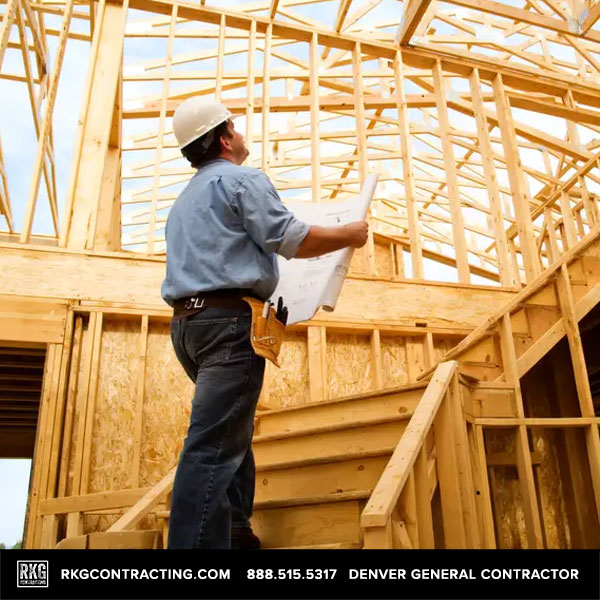
When comparing General Contracting Firms Denver property owners should look beyond the sales meeting. A polished first conversation matters, but it does not prove field competence. Ask how the contractor handles change orders. Ask who will supervise the job day to day. Ask whether estimates are fixed, cost-plus, allowance-based, or a hybrid. Ask how selections are tracked. Ask what happens if hidden conditions appear. Listen for specificity. Vague confidence is not the same as a plan.
It is also wise to verify licensing requirements, insurance, references, and project experience that resembles your scope. Colorado does not license general contractors at the state level in the same way some states do, so local jurisdiction requirements matter. Denver and surrounding cities may have contractor licensing or registration rules depending on the work. Insurance should include general liability, and workers’ compensation should be addressed. If a contractor is vague about coverage, that is a warning sign.
Price should be evaluated with scope clarity. If one bid is dramatically lower, find out why. It may exclude permits, design coordination, demolition, debris hauling, patching, painting, fixtures, utility upgrades, or finish materials. A cheaper number that leaves major gaps is not cheaper. It is merely incomplete.
Signs you are talking to the right contractor
A reliable contractor tends to behave differently from the first conversation. They ask careful questions. They do not promise impossible timelines to win approval. They are willing to discuss constraints. They explain why certain decisions must be made early. They put important items in writing. They speak respectfully about trades, inspectors, and clients.
Look for these signals before you sign:
- The contractor can explain your project’s likely sequence without sounding scripted.
- The estimate includes meaningful detail, allowances where appropriate, and clear exclusions.
- Communication feels direct, timely, and grounded in actual construction experience.
- The contractor discusses permits, inspections, insurance, and site protection without being prompted.
- References or past project examples match the type and scale of work you need.
Names in the market matter too, but reputation should be tied to performance. Searches for Denver Contractors RKG Contracting, RKG Contracting General Contractors Denver, or RKG Contracting may come from owners looking for a local team that understands the expectations of Denver projects. Whether you are considering RKG Contracting or another firm, the same standard applies: choose a contractor whose experience, communication, documentation, and field management match the stakes of your project.
Why local relationships matter
Construction runs on relationships as much as contracts. A Denver contractor with dependable trade partners can often solve problems faster than a contractor constantly scrambling for labor. Reliable subcontractors answer calls, show up when scheduled, and stand behind their work. Suppliers help track materials and suggest alternatives when products are delayed. Inspectors appreciate contractors who are prepared and professional. Designers prefer builders who ask practical questions before problems become expensive.
These relationships do not replace accountability, but they strengthen it. A general contractor who gives steady work to quality trades usually gets better responsiveness. That can matter when a schedule is tight or a correction needs immediate attention. Owners may not see those relationships directly, but they feel the result.
Local knowledge also helps with material choices. Some products perform better in Colorado’s dry climate and temperature swings than others. Exterior details need to respect sun exposure and drainage. Interior wood products may need acclimation. Concrete work should be planned around weather windows. Roofing choices should consider hail exposure and insurance realities. Contractors in Denver who have seen products age locally can offer practical guidance that a catalog cannot.
The value of preconstruction planning
The most expensive construction mistakes often begin before construction starts. A rushed scope, unclear drawings, missing selections, unrealistic budget, or undefined responsibility can haunt a project for months. Preconstruction planning reduces that risk.
For a remodel, planning may include site measurements, exploratory openings, trade walks, engineering review, cabinet layout, fixture selections, permit research, and phasing discussions. For a commercial project, it may include landlord coordination, code review, mechanical and electrical assessment, long-lead procurement, and schedule modeling around business dates. None of this is glamorous, but it is where successful projects are built.
Owners sometimes want to skip planning because they are eager to start. That urgency is understandable, especially if the project has already been delayed by financing, design, insurance, or lease negotiation. Still, starting before the project is ready can create false momentum. Demolition feels like progress, but if materials are not selected or permits are incomplete, the site may sit idle. A disciplined Denver General Contractor knows when the project is ready to move and when it needs more preparation.
Communication is a construction skill
Many contractors can build. Fewer can communicate well while building. That difference matters because owners make better decisions when they understand their options.
Good communication is not constant chatter. It is timely, relevant, and clear. If the project is on track, the owner should know. If a decision is needed, the owner should know by when and what happens if it is delayed. If a hidden condition appears, the contractor should provide photos, explanation, options, pricing impact, and schedule impact where possible. If a mistake occurs, the contractor should own it and describe the fix.
Poor communication creates suspicion. Silence makes owners wonder whether anything is happening. Vague updates make small issues feel larger. Surprise invoices damage trust. A contractor who communicates well protects the relationship, not just the schedule.
This is especially important for owners who are not local. Denver has many investors, relocating homeowners, and companies managing projects from another city. For them, photos, written updates, documented approvals, and organized billing become essential. Denver Contractors Services should give remote owners confidence that the site is being managed even when they cannot visit daily.
Change orders are not the enemy, but surprises are
Change orders have a bad reputation because they are often associated with cost overruns. In reality, change orders are a normal tool when scope changes or hidden conditions appear. The issue is not whether change orders exist. The issue is whether they are legitimate, clear, timely, and approved.
There are three common reasons for change orders. The owner changes the scope, such as selecting a https://daltonzwzn228.swiftnestly.com/posts/structure-specialists-denver-exactly-how-to-compare-quotes-and-also-task-timelines different fixture or adding work. Existing conditions differ from what could reasonably be seen before construction, such as concealed damage or noncompliant previous work. The authority having jurisdiction requires a correction or added measure based on review or inspection.
A professional contractor handles these moments with documentation. They explain the condition, price the added work, and identify schedule effects. They do not bury the issue until the final invoice. They also distinguish between owner-driven changes, unforeseen conditions, and contractor errors. That honesty builds trust.
Owners can reduce change orders by making selections early, approving drawings carefully, allowing reasonable investigation before construction, and resisting midstream design changes unless the benefit is worth the cost. Contractors can reduce change orders through careful site review, detailed scopes, and experienced trade input.
Quality control happens in layers
Quality is not achieved through a final punch list alone. By the time a project reaches punch, many important details are already buried. Framing, rough plumbing, electrical routing, insulation, waterproofing, blocking, subfloor prep, and mechanical clearances must be checked at the right time.
A good general contractor inspects work in layers. Before drywall, they look at framing alignment, backing, rough-in placement, and inspection readiness. Before tile, they look at substrate, waterproofing, layout, and transitions. Before cabinets, they look at wall flatness, floor level, and mechanical conflicts. Before paint, they look at drywall finish, trim joints, caulking, and surface prep.
This layered approach is especially important in Denver renovations because existing buildings rarely provide perfect conditions. Floors slope. Walls bow. Ceilings dip. A contractor must decide where to correct, where to blend, and where to explain the limitation. Not every old house can be made perfectly square without major reconstruction. The skill lies in knowing which imperfections matter and which can be managed without wasting money.
Safety, insurance, and jobsite control
Construction sites carry real risk. Tools, ladders, open walls, temporary power, dust, debris, sharp materials, and active trades require control. In occupied homes and operating businesses, the stakes rise because non-construction people may be nearby.
Professional Colorado Contractors plan for site protection and safety. That includes dust barriers, floor protection, debris removal, secure storage, clear access paths, and reasonable separation between work zones and occupied areas. For older properties, testing or safe handling may be needed for materials such as asbestos-containing products or lead-based paint, depending on age and scope. These issues should be handled according to applicable regulations, not ignored.
Insurance matters for similar reasons. If a worker is injured or property is damaged, the owner should not discover too late that coverage is inadequate. Reputable Contractors in Colorado understand that paperwork is part of professionalism. Certificates of insurance, written contracts, lien waiver practices, and documented payments protect everyone involved.
Why the cheapest bid can become the most expensive choice
It is natural to compare prices. Construction is a major investment, and owners should care about cost. The problem comes when price is separated from scope, quality, and risk.
A low bid may be legitimate if the contractor has a more efficient approach, lower overhead, or a sharper understanding of the scope. But a low bid may also signal missing work, unrealistic allowances, weak supervision, uninsured labor, poor documentation, or an intention to charge later for items the owner assumed were included. The difference is not always obvious at first glance.
Imagine three bids for a bathroom remodel. One includes permit coordination, demolition, plumbing and electrical updates, waterproofing details, tile labor, finish carpentry, paint, debris hauling, and a realistic fixture allowance. Another includes “bath remodel” with a single lump sum and no exclusions. The second number may look attractive, but it gives the owner little protection. If the contractor later says mirrors, shower glass, subfloor repair, ventilation, or paint were not included, the budget changes quickly.
A persuasive contractor does not need scare tactics. The facts are enough. Clear scope reduces disputes. Proper permits reduce future risk. Good supervision reduces rework. Skilled trades reduce callbacks. Durable materials reduce maintenance. A fair price for complete work usually beats a low price for uncertain work.
When a general contractor is essential, and when you might not need one
Not every task requires full general contracting. If you are replacing a single light fixture, repairing a small patch of drywall, or installing a simple appliance, a specialized trade or handyman may be enough, provided the work is legal and safe. Owners who are experienced, have time, and understand sequencing may manage very small projects themselves.
A general contractor becomes essential when multiple trades overlap, permits are involved, structural or mechanical systems are affected, the schedule matters, or the owner cannot realistically supervise the work. Most remodels, additions, commercial improvements, insurance rebuilds, and complex repairs fit that category.
The dividing line is responsibility. If you hire separate trades yourself, you become the coordinator. If the plumber cuts concrete before the engineer reviews the slab, that is your problem. If the drywall crew covers work before inspection, that is your problem. If the cabinet layout conflicts with a switch location, that is your problem. Hiring a Denver General Contractor transfers much of that coordination burden to someone who manages it for a living.
The long-term value of doing it right
Good construction should age well. A finished room should not only look good on photo day. It should function through seasons, use, cleaning, maintenance, and resale. Doors should swing correctly. Tile should drain properly. Cabinets should align. Exterior details should shed water. Mechanical systems should be accessible for service. Electrical work should support actual use. The project should feel as if someone thought through the details before they became problems.
That long-term value is where professional General Contracting Services Denver property owners choose can make the difference. The right contractor helps owners spend where it matters and save where it does not. They may recommend investing in waterproofing behind tile rather than overspending on a trendy fixture. They may suggest upgrading insulation while walls are open because the opportunity will be expensive to revisit. They may caution against a layout that photographs well but functions poorly.
This kind of guidance is not always dramatic. Sometimes it is a quiet correction in the field, a better sequencing decision, or a five-minute conversation that prevents a five-year annoyance. Owners often remember the visible finishes, but the hidden decisions shape how the project performs.
A better way to approach your Denver project
If you are planning a remodel, repair, buildout, or addition, start with the assumption that the project deserves serious planning. Walk the space with a contractor who asks specific questions. Talk honestly about budget and priorities. Decide where quality matters most. Be transparent about deadlines. If you have drawings, share them. If you do not, ask whether design help or engineering is needed before pricing can be meaningful.
The best Contractors in Denver do not merely chase the job. They help define it. They are willing to say, “That budget is tight for this scope,” or “We should investigate that wall before promising a number,” or “This finish will extend the schedule,” or “You can save money here without hurting the final result.” That candor may not feel as exciting as an instant yes, but it is far more valuable.
Denver is a strong, competitive construction market. Property owners have choices among Denver General Contractors, specialized trades, and larger construction teams. Choose the one that brings order to complexity. Choose the one that documents clearly, communicates directly, respects permits, manages trades, and understands local conditions. Choose the one that treats your money like it matters and your building like it has to perform after the crew leaves.
General contracting is not just a service category. It is the structure that holds a construction project together. When that structure is strong, the work moves with purpose. When it is weak, every decision becomes harder than it needs to be. For homeowners, business owners, investors, and property managers looking for Denver Contractor Services, the message is simple: the right general contractor is not an added layer. It is the difference between hoping a project comes together and knowing someone qualified is making sure it does.
RKG Contracting
575 E 49th Ave, Denver, CO 80216
Phone (720) 477-4757
Find us on https://www.instagram.com/rkgcontracting.colorado/
https://www.amazon.com/s?k=https%3A%2F%2Fheavyhanded.la%2F&crid=2SZ8VTQJ9PHZ3&sprefix=https+%2F%2Fheavyhanded.la%2F%2Caps%2C197&ref=nb_sb_noss